
Joint and bone pain is common enough that it’s easy to dismiss as a normal part of aging or an active lifestyle. Most aches do resolve with rest. But some don’t — and knowing the difference between pain that needs a few days off and pain that needs a specialist can prevent a minor issue from becoming a much larger one. Understanding what typically causes joint and bone pain, and what a proper evaluation actually involves, makes it much easier to know when it’s time to stop waiting and get it checked.
Common Causes of Joint and Bone Pain
Joint and bone pain can stem from a wide range of causes: everyday wear and tear, old injuries that never fully healed, arthritis, tendon or ligament strain, or acute trauma from a fall or accident. Age-related changes in cartilage and bone density also play a role, particularly in the knees, hips, and spine. Understanding the likely cause matters because treatment differs significantly — a strained ligament and early-stage arthritis are managed very differently, even though both can feel similar day to day. Pain that comes on suddenly after a specific movement or fall often has a different cause — and a different treatment path — than pain that has built up gradually over months or years, which is why an accurate history matters as much as the exam itself.
When Rest and Home Care Aren’t Enough
Mild joint pain often responds well to rest, ice, and over-the-counter pain relief within a few days. It’s time to look beyond home care when pain lasts more than two weeks, when swelling doesn’t go down, when a joint feels unstable, locks, or gives way, or when pain is severe enough to wake you at night. Pain that limits everyday activities like climbing stairs or gripping objects is also a signal that something more than rest is needed.
What an Orthopedic Evaluation Involves
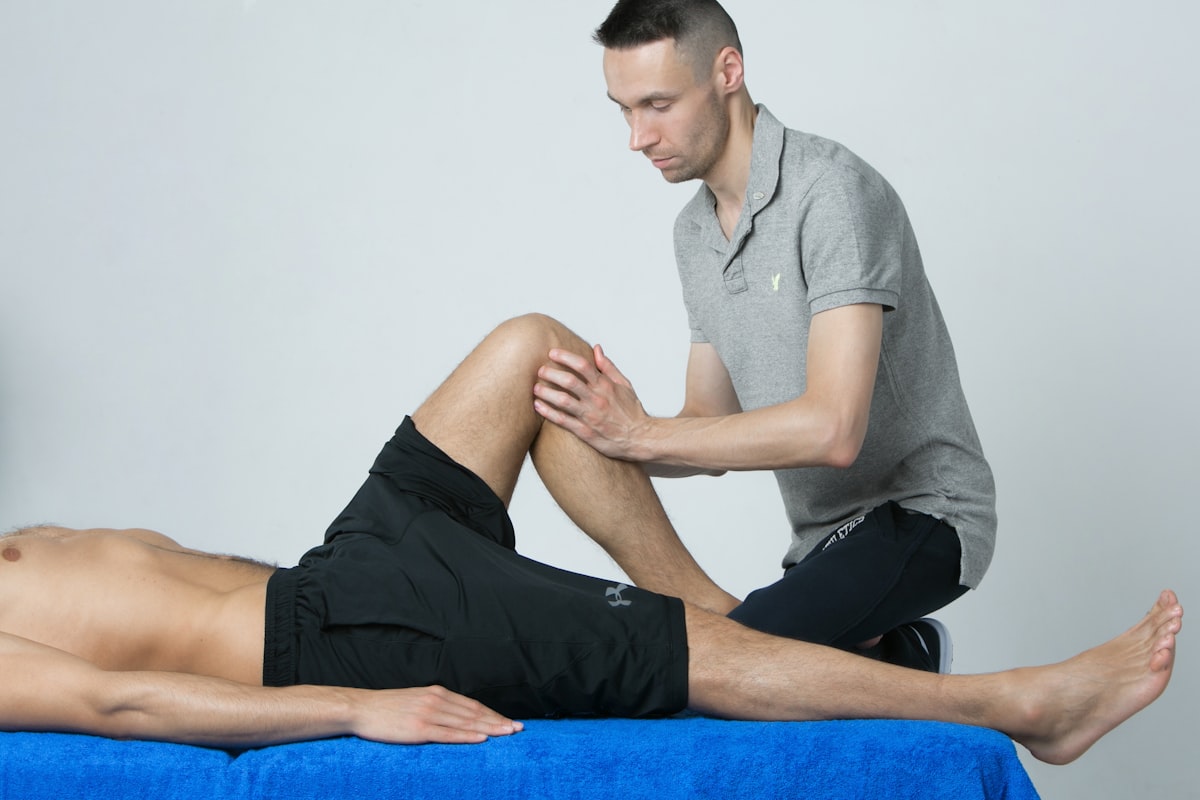
An orthopedic evaluation typically starts with a physical examination and a detailed history of the pain — when it started, what makes it better or worse, and any prior injuries. Depending on the findings, imaging such as an X-ray or scan may be ordered to get a clearer picture of the joint or bone. From there, treatment can range from physiotherapy and medication to, in more involved cases, surgical intervention. Getting an accurate diagnosis early is usually what keeps treatment simple rather than complicated. Many people delay this step out of a sense that surgery is the only outcome of seeing a specialist, but in practice most orthopedic issues are managed successfully without it, especially when caught early.
Conditions Treated by Orthopedic Specialists
Orthopedic care covers a wide range of conditions: joint and trauma injuries, arthritis, ligament and tendon damage, spine-related pain, and both non-surgical and surgical treatment for fractures and joint problems. Whether the issue is a sports injury, a fall, age-related joint wear, or a condition that’s built up gradually over years, an orthopedic specialist can determine the right course of treatment rather than leaving it to guesswork.
Orthopedic Care at Rajah Hospital
Rajah Hospital’s Orthopedics department treats both everyday joint and trauma cases and more involved surgical conditions, for patients across Guruvayoor and Thrissur district. If joint or bone pain has lasted more than two weeks, or if you’ve experienced a fall or injury that hasn’t improved with rest, don’t wait for it to resolve on its own — delaying an evaluation often just gives a simpler problem more time to become a complicated one. Visit the Orthopedics department page to see current consulting hours and book a consultation.
Leave a Reply